
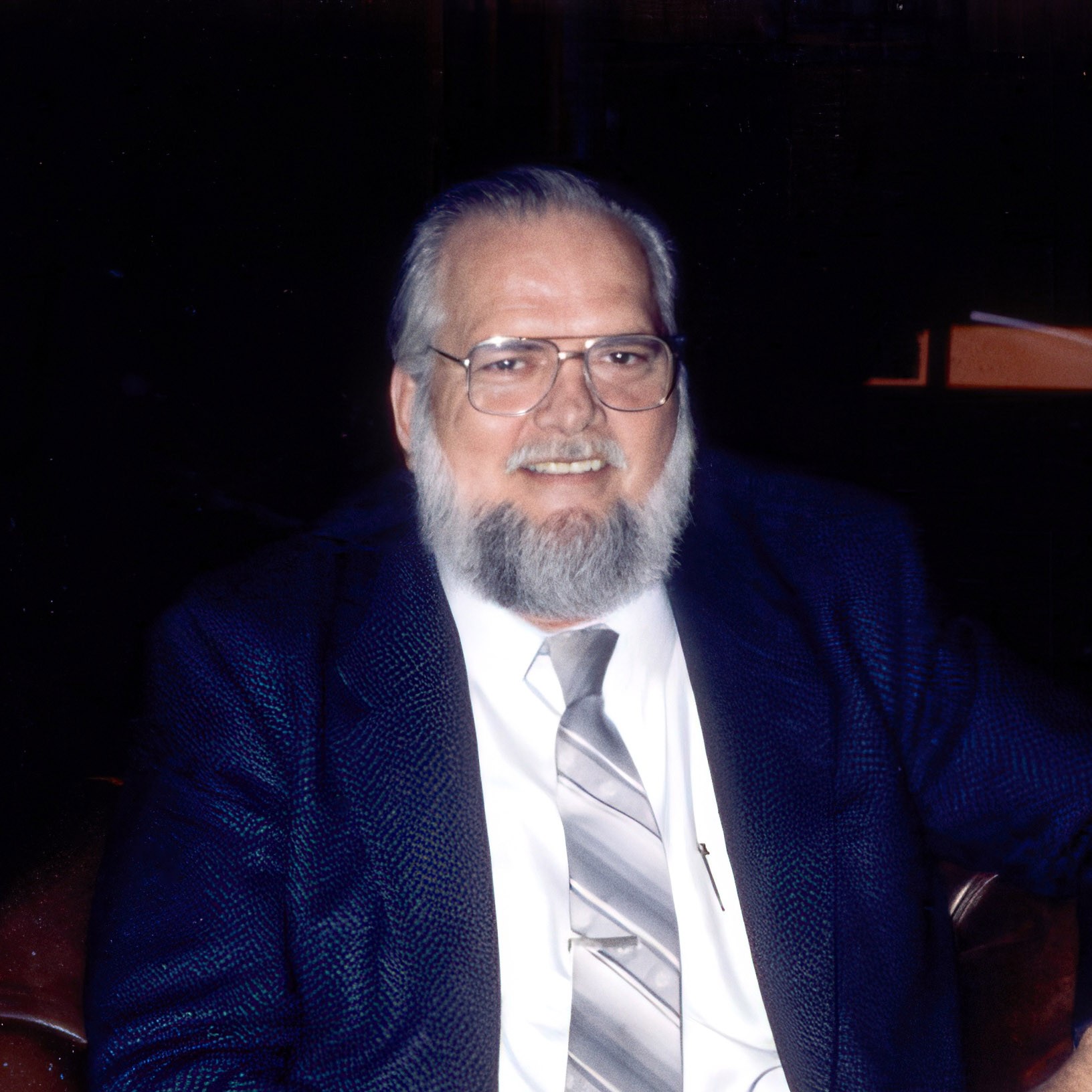
American chip designer and hardware team leader associated with the Atari VCS/2600, Atari 400 and 800, and the original Amiga. Widely remembered as the father of the Amiga.
| Biographical Information | |
|---|---|
| Known for | Hardware Designer, Hardware Engineer |
| Nationality | American |
| Born | 31 May 1932 |
| Died | 20 June 1994 |
Jay Glenn Miner (1932–1994) was an American integrated-circuit designer whose career connected Atari’s early home systems with the creation of the Amiga.
Miner developed his electronics skills in the US Coast Guard and graduated in engineering in 1958. In his 1988 interview with Amiga User International, he recalled joining General Micro Electronics in 1964 and working on calculator chips before moving into video games. At Atari he worked on the VCS/2600 and subsequently directed the architecture and chip-design work for the Atari 400 and 800.
He wanted to build a more capable computer around Motorola’s 68000 processor. That ambition became central to his work at the company that developed the Amiga. As vice-president and leader of its chip-design team, he helped shape a machine intended to combine strong graphics and sound with the expandability of a personal computer. His interest in flight simulation influenced those ambitions.
The original Amiga reached the market under Commodore. Its development was a collaborative achievement: fellow engineer Joe Decuir described a small, experienced team working under severe financial constraints. Miner became its best-known public representative, but the hardware and software owed their success to many contributors.
Miner died on 20 June 1994. His contribution lives on in the computers and creative work associated with the Atari and Amiga communities.
Led hardware development for the Lorraine project at the company originally called Hi-Toro. Hi-Toro subsequently became Amiga; these entries document successive names of the same business. See the Jay Miner interviews in References.
Vice-president and leader of the chip-design team developing the Lorraine project, which became the Amiga. Amiga was the renamed Hi-Toro company, not a separate unrelated employer. Commodore acquired the company in 1984. Sources: Jay Miner interview, Amiga User International, June 1988; Joe Decuir interview, Atari Compendium, 2005.
Continued Amiga hardware development after Commodore acquired Amiga in 1984. Previously vice-president and chip-design team leader at the independent Amiga company. Exact employment endpoint is not asserted. See Jay Miner and Joe Decuir interviews in References.
Worked on the Atari VCS/2600 and directed architecture and chip design for the Atari 400/800 family. Dates are approximate; the 1988 AUI interview is retrospective. See the linked interview in References.
Directed architecture and chip design for the Atari 400/800 family. Source: Jay Miner interview, Amiga User International, June 1988, in References. Shared engineering credit; not sole authorship of all chips.
Directed the architecture and chip-design work for the Atari 400/800 family, as described in his June 1988 Amiga User International interview. Team contribution; this does not imply sole design of every chip.
The Joystick Port - The virtual museum of Vintage & Retro computers, peripherals, advertising, software and more.
this site and its contents are
© 2026 The Joystick Port
